
The “Small Appetites” economy & weight loss drug boom has implications for UK grocery
July 2026
New retail data confirms what many category managers have suspected: the rapid rise of GLP-1 weight loss medications is no longer a niche health trend, but a structural shift in UK grocery demand that is already reshaping how shelves, ranges and promotions need to be planned.
According to research from retail data firm Worldpanel by Numerator, the proportion of British households with at least one GLP-1 user has nearly tripled in two years, rising from 2.3% in 2024 to 4.1% in 2025 and 6.3% in 2026. Households with a user now spend, on average, £418 less per year on groceries than non-user households, a combined market-wide impact estimated at £780 million.
Crucially, this is no longer purely a medical phenomenon. Over a quarter of respondents said they would use a GLP-1 medication to lose weight even without a major health condition, and 68% of current users say weight loss, not diabetes management, is now their primary reason for taking the drugs. For category managers, this signals a durable shift in the shopper base rather than a temporary dip driven by a small clinical population.
“The Worldpanel research shows where baskets are already changing,” says Patrick Finlay, Managing Director of The Category Management Company.
Crisps and confectionery are the categories most impacted, as reduced appetite and snacking urges cut into impulse and indulgence purchases, and oral health products are seeing a lift, driven by side effects such as bad breath associated with the medication. Over half of users now describe their eating style as “mindful,” led by hunger cues rather than habit or routine, undermining the routine-driven repeat purchase patterns that many categories are built around.”
Shopper expectations are moving just as fast as behaviour. Two-fifths of GLP-1 users say they want smaller portion sizes, and over a quarter want dedicated “GLP-1 friendly” sections in menus and, by extension, on shelf.
This, says Finlay, has implications for brand owners and retailer category teams:
“Demand for smaller, more controlled portions is a merchandising signal, not just a product development one. Range reviews should test smaller formats and single-serve options across snacking, confectionery and ready meals, rather than treating “downsizing” purely as a cost-of-living response.
With crisps and chocolate confirmed as the hardest-hit categories, decisions may need to be taken to rebalance space toward protein-forward, “better-for-you” alternatives, without abandoning indulgence entirely. Usage occasions are shifting, not disappearing.”
The oral care uplift, Finlay continues, is a reminder that GLP-1’s ripple effects extend well beyond food and drink aisles. Category teams in health and beauty should be reviewing whether adjacencies, cross-merchandising and promotional bundling can capture this emerging occasion.
“With over three-quarters of current users being women, and a growing share taking the drugs for lifestyle rather than clinical reasons, category managers need sharper shopper segmentation that reflects motivation, for example, health condition vs. lifestyle choice, rather than purely demographics.
The clear shopper demand for GLP-1-friendly labelling and menu sections suggests an on-shelf and in-store communication opportunity, helping this growing shopper group navigate ranges quickly, in the same way “free-from” or “high protein” signposting has developed in recent years,” he says.
The British Retail Consortium says supermarkets are already moving to respond. Andrew Opie, the BRC’s director of food & sustainability, said retailers “have invested heavily in healthier products, along with specific product lines to support those on GLP-1,” adding that competitive pressure between retailers means new products are being brought to market quickly as consumption trends shift.
Worldpanel’s own analysts note the picture is complex: while 72% of people believe GLP-1 adoption is running ahead of a full understanding of its long-term effects, uptake, particularly as US trends filter through, shows no sign of slowing.
“This is not a passing trend to wait out,” concludes Finlay. “Categories are changing rapidly, meaning suppliers need to either refresh their category strategies or get ahead of the curve to anticipate and plan for future trends. With household penetration nearly tripling in two years and no sign of a plateau, category managers who treat GLP-1-driven behaviour change as a core planning requirement on pack size, space allocation, adjacency strategy and shopper communication, will be best placed to protect basket value as the “small appetites” economy continues to grow.”

Category trends are moving faster than ever, and yesterday’s category vision can quickly become outdated.
July 2026
Just look at two recent examples:
Lower-alcohol beer sales have surged by 2,500% since 2022, growing from 35 million to 912 million pints and now accounting for more than 1 in 8 pints sold. (The Telegraph 4th June 2026)
The rise of GLP-1 weight loss medications is already reshaping grocery shopping habits, with affected households spending an average of £418 less on groceries each year. Categories such as crisps and confectionery are seeing decline, while oral care is benefiting from changing consumer needs. (Yahoo Finance / The Independent 10th June 2026)
The lesson for suppliers?
Category management can no longer be based solely on historic performance. External factors such as legislation, health trends, technology and consumer behaviour are altering demand at unprecedented speed.
The winners will be those who continually refresh their strategies—or better yet, anticipate what's coming next before the market does.
Stop treating the World Cup like just another promotional moment


June 2026
With the 2026 World Cup imminent, the grocery sector should be buzzing. On paper, the data looks staggering: up to 34 million Brits are expected to tune in, and crucially, 54% of UK adults plan to watch the drama unfold from the comfort of their own homes.
Commercial directors are rubbing their hands together. They see a guaranteed spike in beer, crisps, and frozen pizzas. But from where I sit as a category management specialist, I see an industry set to repeat the same old mistake: treating the biggest tournament on earth as a series of disjointed, tactical promotions rather than a unified strategic play.
Tactics are important but they only deliver maximum ROI when they serve a broader strategic plan. Right now, too many brands and retailers are asking the wrong question. They are asking,
"How do we shift more units of Product X while the England or Scotland matches are on?"
That is tactical thinking, and, in my view, it's a bit short sighted. A strategic approach asks a fundamentally different set of questions. For those Hosting a World Cup get together, what do they genuinely need to pull it off - and how can retailers position their offerings online and in store to make it easier for the shopper to make it happen?
When more than half the adult population is hosting, cooking, drinking, and entertaining in their living rooms, potentially repeatedly, over several weeks, the commercial footprint expands exponentially. It is shortsighted to focus exclusively on the alcohol and snack aisles. A hosting household doesn't just buy IPAs and tortilla chips, it needs soft drinks and juices for the kids and non-drinkers, premium sharing platters and dips to keep the crowd happy, not to mention the sundries that usually get forgotten, extra kitchen roll, paper plates, and disposable cups.
The winners this summer won't be the ones who scream the loudest on price at the end of an aisle. It will be the retailers and brands that have fully integrated themselves into the shopper's planning mindset days, even weeks, before the whistle blows. This means capturing the big weekend stock-up shop and seamlessly converting it into mid-week click-and-collect orders as the tournament progresses.
This tournament represents a massive litmus test for supermarket loyalty. In an economic climate where household budgets remain tightly stretched, premium grocery brands cannot afford to press the repeat button and compete purely on price. It’s tempting, but that’s just a race to the bottom.
Instead, the strategic play is to reframe the value proposition where everyone is a winner. Not to focus purely on price but to offer a premium, at-home experience that is entirely accessible and worth the spend.
And yet, while some multiples are doing it better online, aside from a few small nods here and there, execution in-store is conspicuous by its absence.
This World Cup is a golden argument for premium own-label and branded innovation. Treating these events like Christmas. Supermarkets should be curating their own high-tier pizza ranges, curated platter deals, dessert deals, tying in with BBQ season, and cross-category drinks bundles - the list goes on. By doing so, they aren't just selling groceries, they are using the World Cup as an unforgettable experience; a vehicle for long-term loyalty long after the final whistle has been blown.
Perhaps the most glaring evidence of a tactical gap is how the industry defaults to targeting the mainstream fan: the England or Scotland supporter. It’s an obvious, crowded, and unimaginative space. But strategic category management, developing Category Visions for instance, demands you look at the blind spots and growth platforms. The UK is home to vibrant, massive communities from competing nations like Brazil, Argentina, Morocco, Mexico, Colombia, and Senegal. These communities are deeply emotionally invested. They host, they cook, and they have distinct viewing rituals.
Ommiting to strategically activate world food aisles and international ranges during a global tournament isn't just a missed trick, it’s bad business. A visit to local supermarkets at the time of writing found that not even where Mexican food is stocked – one of the host countries – is there any reference to it.
This isn't just about the summer of 2026. The real problem with tactical activation is that it produces a short-term volume spike followed by a commercial hangover. Strategically framed activation, however, opens new doors. It allows categories that wouldn't normally claim a sports association to build a credible role in the shopper's basket. It extends reach to broader consumer sets and creates a highly distinctive proposition.
The brands and retailers that grasp the nettle will certainly enjoy a highly profitable summer. But more importantly, they will build better commercial habits that compound over time, ensuring sustainable growth long after the stadiums have emptied.
Maybe we can do better for the Euros being held in GB and RoI in 2028?
Training is no longer a “people perk”. It’s a business fundamental.
May 2026
New insight from TheCategoryManagementCompany Learning and Development Lead, Gina Overton.
According to global and UK research, the message from young professionals is consistent and clear: personal growth and development drives choice, commitment and performance.
Deloitte’s Global Gen Z and Millennial Survey, covering over 23,000 people across 44 countries, shows that learning and development is one of the top three reasons younger professionals choose an employer and is closely linked to job satisfaction and early‑career retention.
This is reinforced by the SHRM & TalentLMS Workplace Learning Report:
- 48% of employees say training influenced their decision to join their employer
- 76% are more likely to stay where continuous learning is available
- And HR leaders overwhelmingly agree that development is critical for both attraction and retention.
UK evidence tells the same story. The CIPD highlights that early‑career development programmes significantly improve attraction, loyalty and long‑term resilience. Crucially, learning and progression are now expected, not viewed as optional benefits.
Where organisations fail to provide visible development pathways, the risks are real:
- Lower retention
- Weaker skills pipelines
- Reduced employer brand appeal among under‑35s
What's more, the cost of replacing talent far outweighs the cost of developing it! Strong teams don’t happen by chance. They’re built by organisations that invest early, consistently and deliberately in people.
To support this thinking, we’ve enhanced our category management training modules — helping teams to not only develop their personal skills base but also to influence retailers and grow categories.
Alongside capability building, we continue to support clients with hands-on consultancy, delivering both strategic and operational category projects such as Category Visions and Range Reviews.

Dynamic Pricing in UK Supermarkets: Industry Expert Calls for Calm Amid Public Anxiety
April 2026
As debate intensifies across the UK media about the potential rollout of dynamic pricing in supermarkets, Amit Malhan, Managing Director of The Category Management Company, is urging consumers and commentators to separate fact from fear, while acknowledging that the public's anxiety is understandable given the current geopolitical climate.
The Bank of England's recent analysis warning that electronic shelf labels (ESLs) could enable real-time, algorithm-driven price changes has triggered a wave of public concern. Major retailers including Morrisons, Co-op, Waitrose, and Asda are actively rolling out ESL technology across their store estates, with Tesco and Sainsbury's understood to be in trial phases. The prospect of grocery staples fluctuating in price based on time of day, footfall or demand has alarmed consumer groups and prompted fresh scrutiny of the sector.
Malhan, whose firm delivers insight-led category management consultancy to brands and retailers across the FMCG sector, argues that much of the current alarm rests on a misunderstanding of what dynamic pricing means in a grocery context.
"Let's be honest, dynamic pricing is as old as the hills,” he says. “Supermarkets have been using it for decades, particularly on the petrol forecourts where prices shift with the market. It's common practice to see a 10% premium in convenience formats or station shops simply to cover the higher overheads of those locations."
He acknowledges, however, that the technology underpinning pricing decisions is changing rapidly, and that this shift carries real implications.
"We're moving away from manual labellers toward Electronic Shelf Edge Labels. This tech allows head office to trigger price updates across the entire estate instantly. While major players like Tesco are still in the proof-of-concept phase, a wider rollout feels inevitable."
Malhan points to the broader macroeconomic context as a key driver of the public's heightened sensitivity to pricing. With global markets unsettled by ongoing geopolitical tensions, including the fallout from the US/Iran conflict, many households are already bracing for inflationary pressure. That anxiety is compounded, he suggests, by the fresh sting many consumers still feel from dynamic pricing in other areas of their lives, not least the furore over surge-priced concert tickets, where fans found themselves paying multiples of the face value as demand spiked.
“People are bracing for price hikes,” he continues, “and the idea that those increases could hit the shelves immediately, without giving households a chance to budget, is what's rattling cages."
At the heart of the debate, Malhan argues, is not pricing mechanics, it is the relationship between retailers and the public they serve.
"Ultimately, the backlash against dynamic pricing comes down to a crisis of trust. Shoppers are asking: 'Is the cost-of-living crisis just a convenient excuse to squeeze us?' It's an understandable question, but when it comes to the UK's Tier 1 grocers, there's little evidence to support it. These are highly regulated, reputationally conscious businesses operating under intense public and media scrutiny. While isolated bad actors may exist in the broader retail landscape, painting major grocers with the same brush does them a disservice."
Malhan notes that the UK's major supermarkets operate under an exceptionally high level of public and regulatory scrutiny, a factor that he believes should temper the most alarmist interpretations of the ESL rollout.
“The reality is that most retailers loathe raising prices; they’d much rather absorb the hit to stay competitive. They are under a microscope held by the government, the media, and savvy shoppers. You’ve got independent benchmarks like The Grocer 33 ranking their baskets every single week. In this industry, there is nowhere to hide.”
Malhan’s concluding message is one of nuance: dynamic pricing, used responsibly, is a commercial necessity for businesses operating on extremely tight margins, not a mechanism for profiteering.
"We have to remember these businesses run on wafer-thin margins. While dynamic pricing might feel aggressive, it's often a tool for survival, allowing them to manage spikes in operating costs so they can keep the staples affordable in the long run."
Why Bacon’s Slump is a Wake-Up Call for the Rest of Grocery
March 2026
For decades, bacon has been the undisputed heavyweight champion of the supermarket basket. It has been a product that has seemed completely immune to the ebbs and flows of health trends and economic waves. But the data doesn't lie: the sizzle is starting to fade. With sales of nitrate-cured bacon dropping over 7% in recent months, we could be seeing more than just a momentary dip; we could be seeing a fundamental shift in how people view what goes onto their plate.
As cancer fears and "nitrite-free" awareness move from fringe health blogs to mainstream supermarket shelves, bacon, some would argue, is losing its grip. For category managers in meat alternatives, breakfast proteins, and even dairy, this isn't just a market shift, it’s a massive, blinking green light. When a primary product like bacon falters, it leaves a space in the basket. To seize this initiative, brands need to do more than just show up on the shelf; they need to think like category architects.
"The most interesting takeaway from the current slump is that shoppers aren't necessarily trading down to cheaper, lower-quality bacon,” says Patrick Finlay, Managing Director of The Category Management Company. "Instead, they are stepping away from the product entirely. This tells us that the consumer isn't just financially challenged, they’re becoming more surgical about their health risks."
"If a shopper decides that their weekly pack of premium bacon is no longer worth the nitrate anxiety, that permissible indulgence slot in their brain is suddenly vacant. This is where categories like halloumi, high-end smoked sausages, or even artisanal mushrooms can step in. The goal shouldn't be to replace bacon - nothing really can - but to replace the occasion."
Finlay says if you manage a category like plant-based proteins or specialty cheeses, you need to get out of your silo. (NOT SURE ABOUT THIS LINE)
"Bacon’s decline seems to be a result of a "health-first" decision. Category managers should be looking at "The Better Breakfast" or "The Clean Brunch" as the merchandising hook. Don't just sit in the vegetarian fridge waiting to be found. Instead, bid for secondary placements near the eggs and avocados. If you can position a nitrate-free, high-protein alternative right where the shopper is experiencing the regret of skipping the bacon, you may have won a place in their basket."
The growth of nitrite-free bacon, which is up over 20% while the rest of the category declines, proves that the "informed consumer" is no longer a myth.
"They are reading the back of the pack,” continues Finlay. "From a category management viewpoint, this is the time to lean heavily into transparency.
If your product is naturally cured, smoked with real wood, or carries a clean-label certification, that needs to be your hero message on the shelf-edge. Shoppers are currently looking for reasons not to buy traditional processed meats; give them a reason to feel safe buying yours."
The decline of a titan like nitrate-cured bacon is rare. It’s a "market correction," but for the agile category manager, it can also be a land grab. The brands that will win are the ones that recognise this isn't just a loss for the pork industry, it’s a vacancy in the consumer's lifestyle. It’s time to stop waiting for the smoke to clear and start filling the gap with products that offer the same satisfaction without the chemical baggage.

Did the Fall in Our Children's Height Spark Candy Kittens’ Acquisition of Graze?
January 2026
The recent acquisition of Graze by Candy Kittens from Unilever is a symptom of a market forced to take insight led action to grow long-term, driven by a national health crisis that sees children getting shorter, according to strategic consultancy The Category Management Company.
While the deal highlights Candy Kittens' desire to diversify, The Category Management Company argues it is born of necessity: a strategic play to “de-risk” a portfolio in an era of tightening regulation and declining public health.
“This legislative pressure is compounded by a significant shift in consumer behaviour: 56% of consumers have switched from traditional snacks to healthier alternatives1, over half of snack eaters now consume snacks specifically to boost their nutritional intake2 whilst, sugar, sweet and gum confectionery volumes are seeing only modest growth of +2%3.”
“The introduction of HFSS (High Fat, Salt, and Sugar) regulations has created significant barriers in the snacking landscape,” explains Amit Malhan, Managing Director of The Category Management Company.
The Category Management Company says the driving force behind this market shift is a spiralling health crisis.
“The affordability of processed food versus healthy alternatives has led to poor diets, particularly among lower-income demographics,” continues Malhan.
“The statistics paint a stark picture: 64% of the UK population is now overweight or obese, whilst according to the UK Government Food Strategy, poor diet, with low fruit, vegetable, and fibre intake, has caused a 46% rise in death and disability, costing the NHS £11.4bn annually.”
Most alarmingly, Malhan adds, the crisis is physically impacting the next generation, creating what The Food Foundation calls "A Neglected Generation" (2024).

“ Since 2013, the average height of 5-year-olds in the UK has been falling every year, with one-third of children obese by the time they leave Primary School4. There has also been a 22% rise in diabetes among those under 25.”
With the Government’s "10-Year Health Plan" set to restrict junk food advertising and push for affordable healthy food, Candy Kittens’ move to acquire a health-focused brand like Graze is a masterclass in futureproofing, Malhan adds.
"This acquisition is not a coincidence," he says. "It is a strategic play of convenient diversification. By expanding into the proactive health management space, Candy Kittens is reducing long-term risk and aligning with a consumer base that is increasingly treating snacking as a lifestyle choice rather than a treat."
The lesson for the wider industry, adds Malhan, is clear: businesses must stay one step ahead of the curve.
“Survival requires more than just maintaining the status quo; it requires a deep understanding of the evolving environment, from government policy to the physical health of the population, and the agility to take corrective action.”
“To survive and thrive, businesses must think strategically through, for example, the development of Category Visions, we are already helping brands understand the complex, evolving landscape and identify the corrective actions required to grow.”
Sources: 1The Grocer 2023. 2Mintel 2025. 3Mintel 2025. 4The Grocer 2025.

Tesco Food Charity Donation
The wonder of Tesco Food Donation Bags, shopper interruption at its finest! We will donate £1 for each of the first 500 likes or comments on The Category Management Company’s LinkedIn page for this post to Tesco’s food donation charity.*
https://www.tescoplc.com/sustainability/stronger-starts/food-collection
At the weekend I was shopping in Tesco Clapham when I was jolted out of my Christmas shopping bubble by a charity worker politely asking me if I would like to buy a pre-packed bag of grocery items for a local food bank.
A bit slow on the uptake, it took me a moment to figure out what she was asking me to do. She explained that all I had to do was take the small bag of groceries, already packed in a Tesco Food Donation Bag, scan them at the till, repack them, and then donate them at the designated point in the store.
With the penny dropped, and happy to do my bit, I took my bag and proceeded with my shop; no longer thinking now about my son’s shopping, but with what else I may be able to buy for the food bank.
I must admit; I felt a bit embarrassed of not being aware that this happened in Tesco. I am aware of the food bank baskets of course but usually, and not without good intentions, forget to contribute, as I immerse myself in my own self-indulgences.
A range of emotions coursed through me. A zeal to do the right thing. Autopilot disengaged and good intent overflowing. Hope that perhaps a deserving person may benefit, if just a little bit. And a smidgen of self-righteousness.
But it’s not about me, hats off to Tesco and their local food bank charities (Trussell and FareShare UK) for doing this masterful piece of shopper interruption at key times of the year, when many people are at their most vulnerable. So, next time you’re in-store, look out for the donation bags (or the food bank) and contribute.
So, my new year’s resolution…to donate to the food bank every time I shop with the added jeopardy of doubling up next time each time I forget!
It’s over to you! We’ll keep you updated on how you get on!
*The Category Management Company will donate £1 to Tesco’s food donation charity for each of the first 500 likes or comments on The Category Management Company’s LinkedIn page for this post. We will donate up to £500 this Christmas 2025.
Opinion in the news
Doing the Right Thing: Does the Grocery Community Have a Moral Responsibility to Help Those in Need?
July 2025
A recent UK government report, the United Kingdom Food Security Report 2024, highlighted a deeply unsettling paradox. Despite recent geopolitical, climatic, and pandemic shocks—ranging from rising global temperatures to Covid-19 and the war in Ukraine—global food production has remained stable. In fact, food supply, measured in calorific terms per person, continues to rise. Yet, alarmingly, the same report reveals that the number of undernourished people around the world is actually increasing, rising from 541 million in 2017 to 733 million in 2023. That’s a 35% increase in just six years, suggesting that availability alone is not the solution to global hunger.
Turning our attention to the UK, the picture is no less troubling. While a large majority of households in the UK remain food secure, that majority is slowly shrinking. Between 2020 and 2023, the percentage of food secure households declined from 92% to 90%. On the surface, that may seem a small dip, but with a UK household base of 28.4 million (ONS 2023), that 2% drop translates to over 550,000 more households experiencing food insecurity in just three years.
Even more concerning is the increasing reliance on food banks. According to the UK government’s Food Statistics in Your Pocket report (April 2025), the percentage of households using food banks rose from 3% in 2021/22 to 3.6% in 2023/24. While 0.6% may not sound drastic, it equates to over 150,000 more families in desperate need of basic nutrition.
Now layer in the shocking statistic that the UK throws away 9.5 million tonnes of food each year—enough to feed 30 million people—and the contrast becomes impossible to ignore. In a country where 8.4 million people live in food poverty, we are quite literally wasting food that could nourish those in need. This is not just an issue of supply and demand—it’s a systemic failure of redistribution, access, and collective responsibility.
So, here we are. In a society where food is abundant and supermarket shelves are full; we’re simultaneously seeing surging levels of obesity and increasing levels of food poverty. Over one-third of under-45s in the UK are now obese, yet families are going hungry and turning to food banks to survive. The irony is uncomfortable, and it demands a response.
The challenge now rests with the grocery community—the producers, suppliers, distributors, and retailers who feed the nation. What role should they play in reversing these alarming trends? Too often, businesses assume that these social issues fall outside their remit. But turning a blind eye is no longer acceptable. If we all wait for someone else to act, nothing will change.
That’s why leadership matters. It’s time for businesses, particularly those with influence and reach, to step forward, to take responsibility, and set a precedent. In a competitive industry, it’s not always easy to act collectively. But even if a few companies begin to integrate social purpose into their strategies, others will follow. These pioneering efforts can include food redistribution schemes, pricing strategies that support low-income families, and community outreach programmes to educate and assist.
And this shift isn’t just about corporate social responsibility for its own sake. Building socially responsible plans doesn’t dilute business value—it enhances it. Consumers increasingly choose brands that align with their values. Employees want to work for companies that do good. Investors are looking at ESG (Environmental, Social, and Governance) ratings more than ever before.
So, let’s ask again: if not you, then who?
The moral responsibility of the grocery community is clear. Not just to feed the nation, but to feed it fairly, ethically, and sustainably. And in doing so, lead the way toward a more just and food-secure future for all.
Photo by LuAnn Hunt on Unsplash
Opinion in the news
How much more of this can UK retailers take?
February 2025
On its 5-year anniversary, I was asked to write a few lines about the impact of Brexit on the FMCG food and drink sectors. I pondered the question concluding that, considering Brexit in isolation, it was a near impossible task.
Most economic studies require extraneous noise and events to be stripped out to ascertain the true impact of the subject in hand. But with the backdrop of Covid, Ukraine, the ‘Mini-Budget’ interlude, climate records being smashed, the Employers National Insurance bombshell and of course the impending Trump tariff factor, even the most talented econometrician would struggle to ascertain the effect of Brexit; anything else must surely be conjecture.
But not be deterred, let me do a roundup of the last five years.
2020
Brexit happens 31st January 2020. A study by Ashton Business School (Unbound: UK trade post-Brexit, Sept 2024) suggests that imports have dropped by 30%, others suggest it is only 6% (Centre for Economic Performance, December 2024). Conversely, services have grown by 14% according to the Resolution Foundation (February 2024). So, notwithstanding the NI borders debacle and rather inconvenient waits at passport control, inconclusive. This has not been ideal for UK retailers importing from Europe but, given their size and importance to the UK economy, they have weathered it pretty well.
2020 - 2022
Covid clearly had a major impact on retailer operations and e-commerce. According to the ONS in 2021, the immediate impact of Covid was that ‘total retail sales volumes fell by 1.9% compared with 2019, the largest annual fall on record. The impact on specific sectors did vary, with clothing and fuel volume sales seeing large falls of negative 21.5% and negative 22.2% respectively in 2020…but online sales rose to a record high of 33.9% as a share of all retail spending.’ During this period UK grocery retailer weighted operating margins dipped below 3% 2020/21 (Competition and Markets Authourity July 2024) but only marginally from the previous year.
Since the pandemic, some shopping and consumption habits will have changed for good but, again, given the circumstances, a robust performance by UK grocery sector.
2022 ongoing
When we thought that we’d had ‘enough already’, along came Mr Putin and his egregious invasion of Ukraine. I’m not sure if I’m surprised, given that the war is still in theatre, but its impact on UK retail seems to have been more prolonged and with a deeper impact compared to that of Covid. Whilst with Covid the world pulled together, this war pulled it apart. Not forgetting the human tragedy, the economic ramifications reverberated globally and no less so than in the UK. Global wheat prices at the time surged by 28% in the early stages of the war (Uni of Illinois Feb 2025) and oil prices exceeding $130 per barrel (vs @ $75 today), creating all sorts of pressure on supply chains. It was during this period that UK grocery retailer weighted operating margins dipped well below 2% 2020/21 (CMA, July 2024). Wafer thin and flirting too close to a negative for everyone’s liking.
September 2022
Liz Truss’ government deliver the mini-budget. The least said the better but it is widely considered to have contributed, alongside other global economic factors, to a rapid rise in interest rates and, for the average household, higher mortgage repayments. The effects of which have directly impacted household grocery spend over two years later.
2024 - 2025
Employer National Insurance increases from 13.8% to 15% announced by Rachel Reeves, taking effect April 2025, is already making its presence known. Major retailers are citing it is a contributing factor to redundancy announcements, with Tesco, Sainsbury’s and Morrisons seeking ways to cut costs to remain price competitive.

2025
We have seen in recent days US President Trump impose and rescind tariffs on Canada and Mexico, with the EU and the UK firmly in his sights. The UK import @£111bn (Gov.Uk) of goods from the US but only a small percentage is food related; exports represent £2.4bn to the US (3rd largest export country after #1Ireland and #2 France, Gov.UK). Whilst relatively small in UK grocery terms, any form of additional tariff will add additional pressure onto a fragile, at best, cost base, thus impacting further the burden on retailers and ultimately their customers.
So, considering all that has happened in the past 5 years, Brexit cannot be held solely accountable. The Grocer (4th February 2025) commented that UK retail is now entering into a VUCA (volatility, uncertainty, complexity and ambiguity) Vortex. For retailers, operating on wafer thin operating margins and major global events occurring at the most alarming rate since the second world war, how much more can they be expected to take? It’s like taking repeated Mike Tyson body and head blows and being expected to perform better each time you get up from the canvas. Somehow, they manage to do it, making UK (and global) retail one of the most resilient industries on the planet. But with some cracks beginning to emerge, Asda are really feeling the pain for example and redundancies are becoming widespread, how long can this resilience be sustained without radical change to the retailer / supplier infrastructure and really make it stick?
As cited, by The Grocer (4th Feb 2025), the solution may rest with programmes such as Sainsbury’s Future Brands and GSCOP. But these initiatives have been around for some time and maybe only play a role in supplier public relations or make the playing field a bit less uneven. By not addressing its fundamental infrastructure, enabling it to withstand the next series of events that will send shockwaves throughout the industry, I’m not sure sticking plasters will suffice. Instead, I expect, retailers will continue to build their own defensive mechanisms (cost cutting and loyalty marketing, for example) or maybe they’ll leave it to market forces to weed out the weak, evening out the playing field to provide greater market share to act as the buffer. Either way, we will leave it in their very capable hands until the next time we face the next ‘event’.
For most suppliers, without very deep pockets, they will need to develop their own strategies to weather these storms. Their longevity will be predicated on the ability to demonstrate initiative, a desire for positive change, and a strategic mindset. It has been proven that investing during the most turbulent times has generated long term benefits. This can take the form of above-the-line investment which leads to long term loyalty. But, also by developing long term strategies, category visions for example. Setting out the roadmap today, by planning a strategic course for the next three to five years to deliver value-added volume and to deserve to win a place at the table. By devising a category vision, suppliers are taking a proactive stance to help elevate category direction by providing shoppers and consumers more reasons to shop and consume and provide their own buffer to the unpredictability now entrenched in the natural and geo-political landscape.
The Category Management Company are experienced in delivering insight led category management consultancy solutions, from category visions to the management of operational projects.
Opinion in the news
Are loyalty cards failing in their core objective?
December 2024
In a recent review of 50,000 loyalty-priced products, the Competitions and Markets Authority showed 92% offered genuine savings against the usual price with an average saving of 17-25% buying loyalty priced products at the five supermarkets examined: Tesco, Sainsbury’s, Waitrose, Co-op and Morrisons (source Gov.UK Nov 27th).
Clearly, done well, it pays dividends, especially for the likes of Tesco and Sainsbury’s, for whom market share is growing. So, a well-deserved pat on the back for them.
But not so fast! The report also highlighted that 55% of people think ‘usual’ prices are upped to make loyalty deals more appealing. This is in line with the 59% cited by Retail Week earlier this year.
This is worrying, as it demonstrates a lack of trust in retailers, and their suppliers, with 76% of shoppers saying that loyalty pricing has not changed where they shop; as loyalty cards, in their current form, are not designed just to reward and retain loyal customers. They exist as a vehicle for elevated competitiveness and market share, to attract new customers and encourage them to spend more.
So, more work needs to be done to win the hearts, minds and loyalty of shoppers. Getting under the skin of what motivates them by finding ways of creating meaningful connections particularly in a less than stable post budget environment. The role of loyalty cards must go beyond price, they need to have long-term ambitions to attract and lock customers in. This will require an in-depth understanding of what truly makes them tick.
And it’s not just about price. In the development of a range of category strategies over the course of this year by The Category Management Company, price rarely rears its head in terms of what really matters to them for long-term prosperity and happiness. It’s about the importance of family, mental wellness, the environment, health and security.
So, as an industry, we will always need to acknowledge the importance of price for short term gain but also look beyond it to build true loyalty and trust by looking deeper and beyond it. Perhaps only then can meaningful loyalty be achieved.
The Category Management Company helps businesses assess, refresh and develop category visions, strategies, category growth stories and plans that are future proof, relevant and ready for growth.
For more information or to arrange a chat with Patrick or Amit contact us on:
info@TheCategoryManagementCompany.com


Opinion in the news
Breaking the Gen Z Code
By Freddie Finlay, final year Oxford University undergraduate and intern at The Category Management Company.
September 2024
Imagine a typical Oxford student. You may see a gown wearing, croquet playing, champagne swilling, upper class type. Yet, despite the stereotype, most of us come from very ordinary backgrounds.
I’m your typical student. I attend the odd lecture, occasionally seen ‘Down The Bar’, shop in Tesco, eat pizza and love a Meal Deal. So, during my internship with The Category Management Company, I’ve been struck by how grocery retail is not fully exploiting my generation.
If what I read is true, we’re ‘fickle’ and ‘demanding.’ But in reality, we’re making our own shopping choices for the first time, shaping our behaviours for the future right now; standing in the wings to play a major role as shoppers for decades to come.
Breaking the shopping code of my generation of Gen Zs must surely present a commercial opportunity, so here are my ‘decoding’ observations:
- Format Failure – with no car, I use shops within bag carrying distance of my college, so I’m confined to convenience formats, where I find larger supermarket best-selling ranges seemingly compressed into smaller layouts. This is our channel but there is little or no inspiration, just products that largely appeal to my parent’s generation. Where are the products that appeal directly to me? A challenge as we come from completely different cultural standpoints, taking me to my next point.
- The Range Paradox - On visits to larger supermarkets, which I never normally frequent, I was overwhelmed by choice. Unique pack formats with striking designs, like Kim Chi noodles or Tikka Masala in a can, are a 'go to', but I struggle to find them where I normally shop. The paradox? Gen Z do not shop in larger store formats where the products they want are stocked but shop in convenience formats where they are not! Note, I do like the pizza meal deal for one!
- The Invisible Environment – my generation is the first to have been raised on the importance of protecting the environment. But I was disappointed by how little this is reflected in-store in terms of both pack labelling and product grouping. Why not dedicate an easy to find section to showcase well labelled environmentally friendly products?
- Meal Deals represent fantastic value for money (taste and price are important.) But retailers are missing a trick. Variety and trying new things are also central to my decisions. We’re now being offered Iced Coffee, for example, but only alongside old favourites from big brands. Why not use some of the meal deal space to trial innovations or flavours, appealing to a more experimental audience?
- Loyalty – I love my Club Card, and expect the algorithms know my exact shopping habits. But I’m not sure they know ‘who’ I am. I may be short on money, but this doesn’t mean I don’t want great tasting and quality products. Others target students with student-specific discounts, yet grocery retailers don’t seem to take us as seriously. I think it’s simple, build loyalty by using student-targeted discounts on quality products within bulk foods like pasta and convenience products like ready meals.
Don’t get me wrong, I’m in awe of this industry. Its complexity and sophistication are beyond anything I had expected before stepping into its orbit. But, if my observations are anything to go by, there’s a danger that retailers may continue to 'mainstream' their offer in the hope that Gen Z will conform in time. And truthfully, I'm not sure that’s going to wash.

Opinion in the news
Rise Of Gen Z Means FMCG Sector Can’t Afford To Brush Sustainability Concerns Under The Carpet
September 2024
The societal impact of the Gen Z cohort emerging into the working population with firm beliefs about sustainability will add pressure on retailers and FMCG companies to more fully understand the implications of environmental change for shoppers and categories.
This is according to Patrick Finlay, Managing Director of The Category Management Company. He cites two studies, one by Barclaycard, suggesting 82% of Gen Z have concerns about sustainability and another by First Insight, highlighting that 75% of Gen Z place sustainability higher than brand name, at 49%, as a factor important to purchase decisions, as reasons for the sector to take note.
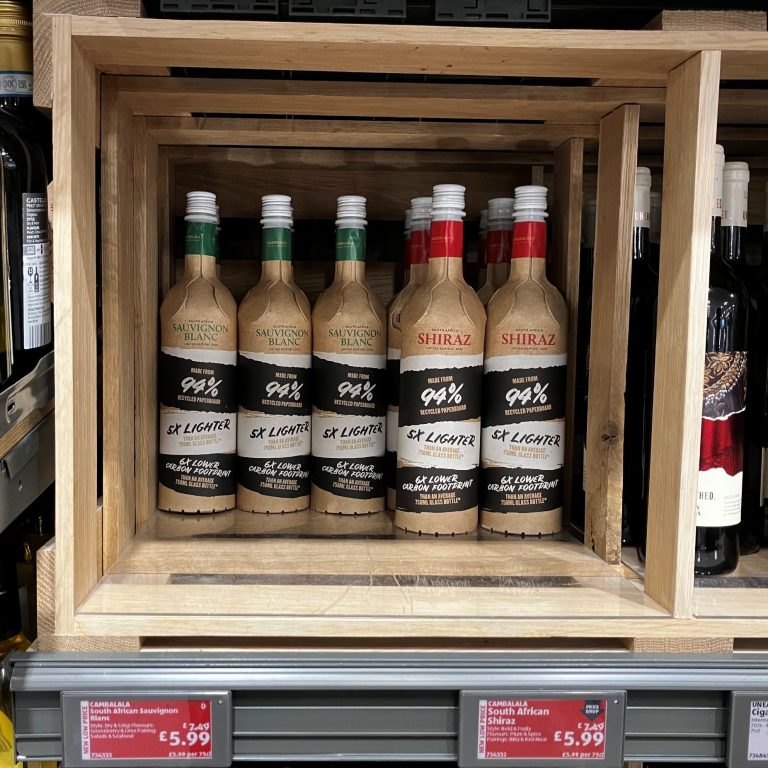
“Frugalpac’s paper bottle innovation, some of Aldi’s wine selection and Greenall’s Gin are all good recent examples that green policy and strategy, for some, has not been consigned to the ‘too hard or too expensive box’,” said Finlay. “And others, such as Asda, who recently abandoned its refill and reuse trial, have at least taken a punt; lessons learned and returned to the drawing board.
“But the full realisation of any meaningful sustainability strategy will likely be a slow burn; for most of the major retailers, the ambition is to get to net zero for their internal operations by 2035. Set this against the Gen Z beliefs, and you have to ask as we enter our next three to five-year planning cycle, whether another five-flavour range extension is really going to cut it!”
Finlay believes the learning is simple: “One of these is fully understanding the implications of environmental change for consumers, shoppers and categories. Whilst I’m not suggesting it’s being ignored, many years spent developing category visions and strategies have taught me that, to paraphrase our new Prime Minister, talking the talk is a lot easier than walking the walk. Creating change requires not only a strategic vision but also the intent to act upon it. For, let’s face it, we will be judged by our actions and not our good intentions.”
He notes that this is perhaps more pronounced in these uncertain times when it is those who are bold and have the courage of their convictions to invest in the long term who will be remembered for creating sustainable value for everyone.
“The emerging generations of paying consumers and shoppers will not be forgiving; they will make active choices based on their belief systems, and, what’s more, will not be willing to pay any more for it,” said Finlay.
“For our industry, we need retailers and their suppliers to lead and innovate because we’re still in a phase of experimentation, just like Asda’s refill and reuse trial; where we plan, we execute, we learn and refine. Being relevant is everything, adapting to trends and activating against them with a willingness to admit defeat or celebrate success when we get it right.”
He argues that this kind of change does not happen by chance or good fortune. “It is realised by discipline in developing long-term strategies, category visions, for example, where suppliers and retailers have a responsibility to set and elevate category direction and ultimately value, providing shoppers and consumers more reasons to shop and consume including hard-won environmental strategies. For without this pioneering and visionary spirit, we would still be living in the dark ages.”
Celebrating 6 Months
We are celebrating six months since we formed The Category Management Company and we're going from strength to strength!
Thank you to all our clients and those whom we sought advice.
We look forward to working with you over the next 6 months.

Our Opinion:
Be "Green" with a Category Vision
Develop your Category Vision to unlock your Environmental and Green business policy credentials
July 2024
Whilst we aren't surprised, as wine in a box has been around for ever, we were struck by Frugalpac’s paper bottle innovation. Including some of Aldi’s wine selection and Greenall’s Gin, we were pleased to see that green policy and strategy, for some, have not been consigned to the ‘too hard or too expensive box.’ For others, such as Asda, who recently abandoned their refill and reuse trial (Grocer 8th July), have at least taken a punt; lessons learned and back to the drawing board.
Years spent developing category visions have taught us that, to paraphrase our new PM, sometimes talking the talk is a lot easier than walking the walk. Creating change requires not only a strategic vision but also the intent to act upon it.
In uncertain times it is those who are bold and have the courage of their convictions to invest in the long term, are the ones most likely create sustainable value for everyone; after all no-one saved themselves rich.
By developing long term strategies, category visions for example, suppliers and retailers take a proactive stance to help elevate category direction and value; providing shoppers and consumers more reasons to shop and consume including hard-won environmental strategies. For without these pioneers and visionaries, we would still be living in the dark ages.
The Category Management Company are experienced in delivering insight led category management consultancy solutions, from category visions to the management of operational projects.
For more information or to arrange a chat with Patrick or Amit contact us on:
info@TheCategoryManagementCompany.com
The Grocer
We must walk the walk, not just talk the talk on sustainability
Article: 14 August 2024
Opinion in the news
Gen Z demand for no/low alcohol shows how category visions can help solve the volume conundrum
June 2024
Recent research* showing that, as alcohol category volume sales decline, the no/low alcohol segment continues to grow, reveals the importance of having a category vision that taps into the needs and wants of Gen Z to solve the volume sales conundrum
The research this month, from IWSR, shows that, while total beverage alcohol volumes in the UK declined by -2% between 2022 and 2023, ‘the overall no/low-alcohol segment showed volume growth of 47%, 2022 to 2023, with forecast volume CAGR of +19%, 2023 to 2028’
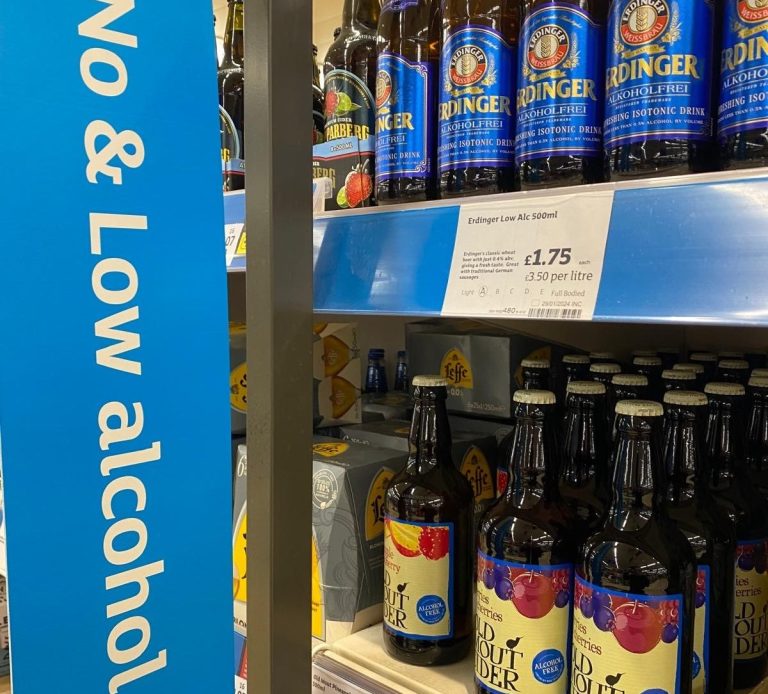
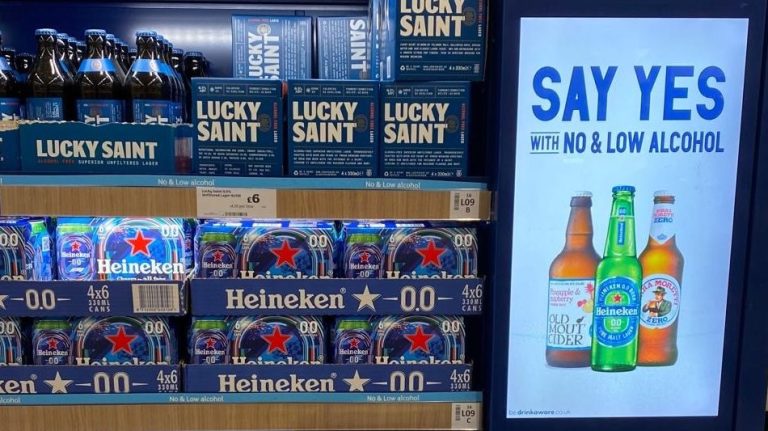
“Whilst the grocery market struggles for volume growth, you just need to walk up the beers, wines and spirits aisle to witness an impressive display of ‘trend bucking’; with innovation, space and range in the low and zero alcohol sector of the category exploding,” explains Patrick Finlay, Managing Director of The Category Management Company.
“The trend has been emerging slowly over the past decade but has accelerated for several reasons, not least the Gen Z cohort growing its demand for taste variety, convenient formats, and healthier propositions.”
And it is not by accident that, Finlay says, this sub-sector of the BWS category has evolved at such pace. It is attributable to retailers and their suppliers methodically identifying the trends, quantifying them and developing product and in-store solutions that few other categories can stake a claim to.
“Having insight (and foresight) will always pay dividends. A clear category vision, an evidence-based understanding of where long-term growth will come from, alongside a plan to activate, sets categories, suppliers and brands apart from the herd.”
So, Finlay adds, if you are asking the question of how to grow long term volume, without getting into the downward price/promotion spiral, it’s worth looking at the BWS category.
“Take a beat. Step back and invest in developing the insights that will underpin a consumer and shopper led category vision,” he concludes.
The Category Management Company helps businesses assess, refresh and develop category visions, strategies, category growth stories and plans that are future proof, relevant and ready for growth.
For more information or to arrange a chat with Patrick or Amit contact us on:
info@TheCategoryManagementCompany.com
*IWSR 13th June 2024.
https://www.theiwsr.com/no-and-low-alcohol-drinks-outperform-a-declining-uk-alcohol-market/

Review your Vision
It’s time to review and refresh your Category Vision
June 2024
Just consider this, according to a recent study 75%* of shoppers in the UK have changed how they shop since the cost-of-living crisis! We have witnessed shifts in behaviour, with physical and mental well-being at the forefront, but also in how we shop, with 45% of shoppers cutting down on occasional treats and 38% avoiding impulse purchases. What’s more, 37% have changed supermarkets and 35% have swapped their normal brand for own-label.
Another study** states:
- 52% of consumers say they have had to cut their non-essential spending.
- Only 3% say they’ve been able to spend more on non-essentials.
- Eating out is the most common (72%) discretionary spending cut.
- Over a third (36%) of consumers say they are using loyalty schemes more.
- Four times more (47%) consumers would put money into savings than spend it on non-essentials (11%) if prices of goods or services drop. A fifth would use it for essential costs.
And this doesn’t even cover the Gen Z social shopping revolution, we’ll deal with that in a future post!
The question we have is: ‘What are you doing differently to adapt to these changes in shopper and consumption behaviour?’ Where hoping that pre-2022 category visions and activation plans will still ‘stick’ in this environment, may just be wishful thinking.
Our advice is to review your plans and strategies and assess if they are fit for purpose. Are they still relevant to the environment your consumers, shoppers and retail customers are operating in?
The Category Management Company helps businesses assess, refresh and develop category strategies, category growth stories and plans that are future proof, relevant and ready for growth.
For more information or to arrange a chat with Patrick or Amit contact us on:
info@TheCategoryManagementCompany.com
Source: * Clear Channel March 24 **KPMG April 2024
Opinion in the news
FMCG companies must think ahead to stay competitive in still uncertain inflationary times, category management experts argue.
March 2024
Seemingly conflicting pieces of research published over the last two weeks, which both show food inflation easing off as well as households switching to own brands to combat rising prices highlights the challenge to FMCG companies as they try to remain competitive during current inflationary pressures.
That’s the message from category management specialists The Category Management Company following a survey by consumer group Which? found 46% of respondents had bought more own-brand goods in the last year because of food inflation. This trend was supported by data from Kantar indicating that 54% of spending at discount retailers like Lidl and Aldi was coming from the ‘ABC1’ social demographic group. And yet this at a time when rises in the cost of a supermarket shop appear to be slowing down as food price inflation eases, although food inflation is only just returning to March 2022 levels with households still feeling a squeeze on disposable income.
So, how should FMCG suppliers be responding?
"What is certainly true is that doing nothing and waiting for the latest tsunami of events to wash over us is not an option,” says Patrick Finlay, Managing Director at The Category Management Company.
“Many big companies will be reacting to these pressures already by building 'war chests’, protecting themselves from the pressures of inflation and immediate retailer volume growth expectations. Whilst this can work, it is only ever a short-term measure.”
The secret, says Finlay, is to address the challenge through both short-term operational and long-term strategic lenses.

“First, focus on what they can do now by getting the basics right. Thinking about how to optimise and protect what they already have.” he says. “For example, is their range, distribution and channel execution firing on all cylinders? Getting the category management basics right can unlock revenue and volume for supplier and retailer alike. Taking the heat off whilst focusing on the bigger strategic prize.”
The second thing to do, he adds, is to invest in the long term.
“No one has ever saved themselves rich. It has been proven that investing during the most fiscally difficult times has generated long term benefits. This can take the form of above-the-line investment which leads to long term loyalty. But, also by developing long term strategies, category visions for example. Setting out the roadmap today, by planning a strategic course for the next three to five years to deliver value-added volume. By devising a category vision, suppliers are taking a proactive stance to help cushion some of the unforeseen events caused by inflationary pressures whilst maintaining direction and long-term purpose.”
The Category Management Company are experienced in delivering insight led category management consultancy solutions, from category visions to the management of operational projects.

Christmas sales data shows Iceland 'doing the right thing' resonated well with consumers, category management specialists argue.
New industry data showing Iceland outgrowing the big four supermarkets at Christmas with festive grocery sales climbing to their highest level for four years, shows it is possible to perform well without advertising if your messaging resonates with shoppers, one leading category management specialist has argued.
Patrick Finlay, Managing Director of The Category Management Company, made the comment after Nielsen figures were revealed in Retail Week that sales at the frozen-food specialist jumped 4.7% in the 12 weeks to December 31st, making it the fastest-growing grocer other than discounters Aldi and Lidl.
“Of course, this is all subjective and depends on how you measure success,” explains Finlay.
“But if you examine performance through a lens of higher intent, you can see how Iceland’s positioning cuts through to consumers. To axe their Christmas advert with a view to focusing on lowering prices, to help families still struggling with the cost-of-living crisis, was at the centre of their Christmas media strategy. Malcolm Walker even said at the time ‘it was a no-brainer.’”
This, continues Finlay, was neither opportunistic nor a disingenuous gesture.
“This is typical Iceland,” he continues. “There are few high street retailers more in-tune with their customers and, as a family run business (in probably the most competitive retail market in the world) this must be the secret to their success.”
Iceland, he says, has always placed its customers first.
“They are constantly innovating; finding new ways to stand apart from their very noisy neighbours. Reinventing themselves, where shopper and product experience come first. It’s as though they were listening to Sir Jack Cohen when he said...” In good times and bad, the company that works hard, that insists on offering value for money, and is not afraid to experiment and make changes, will always prosper.”
Values, and ‘value’, have always been at the core of the Iceland offer. They were trail blazers in free home delivery, amongst the first (if not the first) to commit to eliminate plastic, genetically modified ingredients, artificial colourings, flavourings, non-essential preservatives and monosodium glutamate from their own label products. Overlay this with the launch of exclusive ranges including Greggs, Harry Ramsden, Chiquito, and TGIFriday, and it becomes easier to understand why Iceland has survived.
“They have their finger on the pulse,” adds Finlay. “They truly understand their shoppers and they move quickly and decisively to ensure they remain loyal. How else could they have possibly survived?
So, fast forward to Christmas 2023 and Iceland decide to make what is arguably a very ‘brave’ decision not to advertise. But remember, Iceland have never really been on the band wagon. They have always had both eyes on the long-term prize of customer loyalty.”
The lesson, Finlay concludes, is that whether working on a category vision, a new product sell-in, or even in day-to-day operations, the key to survival is to always keep customers front of mind, adjust when required and, as Sir Jack Cohen said, to not be afraid to experiment.
“Suppliers and retailers need to ask themselves, what are your customers’ needs right now; is your proposition relevant to them; and how will you activate to meet their specific requirements? Insight is at the core, a true understanding of needs, of why things are happening, how this impacts behaviour and taking the necessary steps to activate effectively.”

Opinion in the news
Importance of Category Vision
We must think long term to avoid a race to the bottom
January 2024
The industry is entering a new ‘race to the bottom’. So suggests this month’s news that Asda is price matching against both Aldi and Lidl across 287 products.
It’s a powerful draw at a time of ongoing inflation, which stood at 6.7% in December, according the BRC shop price index. However, this phase could see the shopper ostensibly winning and the retail sector losing. After all, more than two-thirds (69%) of the 120,000 retail job losses in 2023 came from rationalisation, according to the Centre for Retail Research this week.
We could say ‘it was ever thus’. Retailers must be seen to be competitive to maintain customer loyalty and will always take necessary steps to create perceived value. But as we slowly emerge from the darkness of the past three years, surely green shoots will begin to emerge.
Recent history reminds us shocks to the system are never far away. Both the US and UK have elections this year, each of which has the capability of throwing a curveball into the mix.
Theoretically, raw material prices should start to fall, the labour market should settle, and wages should stabilise – meaning inflation should also fall. However, geopolitical events in the Red Sea and Suez Canal, for example, add to the uncertainty.
Although the US and UK are acting to stabilise the global economy and quash uncertainty, any negative impact on oil and raw material prices will likely push costs up in the supply chain, possibly placing future upward pressure at the till.
So retailers and suppliers will not only need to respond to events, but keep an eye on the future and plan accordingly.
The industry needs to take control of its own outcomes. It should ask itself: how can it add value? How can it create the conditions where we can grow our categories and businesses, whilst providing consumers and shoppers with real as well as perceived value?
The answer lies in setting out a roadmap today and planning a strategic course for the next three to 10 years. Devise a category vision and take a proactive stance to help cushion some of the unforeseen events, whilst maintaining direction and long-term purpose.
For suppliers, that means adding value to relationships and working with retailers to identify short and long-term, quantified strategic opportunities for the category, rather than focusing on their own individual brands and product portfolios. Take an objective stance. Develop and implement insightful and effective strategies that create positive outcomes whilst aligning to retailer agendas.
If suppliers fixate purely on short-term events, they may find their competitors have moved ahead and are better placed to exploit new opportunities.
Unexpected events will happen. And of course, we will, as an industry, need to react. But is there a need today, more than ever, to challenge ourselves and create our own green shoots of recovery.
If the industry does nothing, it could simply be waiting for the next wave of events to submerge it, unwittingly entering a new cycle of knee-jerk commerce.
Never was there a time when the adage ‘fail to plan, plan to fail’ was more apt.

Opinion in the news
A race to the bottom highlights the need for Category Visions
January 2024
The announcement by ASDA that it is to be the first to price match against both discounters, Aldi and Lidl, across 287 products - a twist on Tesco and Sainsbury’s existing Aldi price match across 500 products - suggests the industry could be entering a new phase of the ‘race to the bottom’.
This would see the shopper ostensibly winning on one hand (although food price inflation was 6.7% in December) and the retail infrastructure losing, with more than two thirds (69%) of the 120,000 retail job losses in 2023 (according to the Centre for Retail Research this week) coming from rationalisation.
We could say ‘it was ever thus’, where retailers must be seen to be competitive to maintain customer loyalty and will take all necessary steps to create perceived value. But as we slowly emerge from the darkness of the past three years, surely green shoots will begin to emerge.
Notwithstanding another shock to the system (both US and UK elections this year have the capability of throwing a curved ball into the mix), raw material prices should start to fall, the labour market should settle, wages should stabilise, bringing inflation under control. So, whilst we will always need to respond to events, the industry - retailers and suppliers alike – also needs to keep an eye on the future.
It could be argued that if the industry does nothing, it could just be waiting for the next wave of events to submerge it, unwittingly entering a new cycle of knee jerk commerce whether it likes it or not.
Or the industry could take control of its own outcomes. Positive outcomes. Asking itself how it can add value? How can it create the conditions where we can grow our categories and businesses whilst providing consumers and shoppers with real as well as perceived value?
The answer lies in setting out a roadmap today and planning a strategic course for the next 3 - 10 years; devising a category vision and taking a proactive stance to help cushion some of the unforeseen events whilst maintaining direction and long-term purpose.
Never was there a time when the adage ‘fail to plan, plan to fail’ was more apt.
THE Category Management Company provide strategy development services such as Category Visions and Category Strategies.
In the news
Former Bridgethorne leads launch new category management consultancy
January 2024
Former Bridgethorne leads Amit Malhan and Patrick Finlay have launched The Category Management Company, a new specialist FMCG and retail consultancy, to deliver strategic and operational category management solutions.
Malhan, who was Head of Category at Bridgethorne, and Finlay, who was Marketing and Strategy Director, are combining their 55 years of commercial experience working for FMCG retailers and suppliers to deliver guidance and action on a broad range of category projects from full category visions to specific NPD sell-ins.
With their extensive prior experience, Finlay worked as Head of Marketing for RHM and Premier Foods with Malhan having previously worked in Kantar and 20 years across all commercial functions within clients at Bridgethorne.
“We believe our experience gives us a unique perspective and ability to deliver meaningful outcomes for all stakeholders through best practice and insight-led solutions that give direction and help a business grow,” says Finlay.
“Our commitment is to provide solutions based on the ambitions of the client whilst staying true to core client service principles quality of output; pace in delivery and value for money” adds Malhan.

Company Name
The Category Management Company Ltd
15258630
Contact details
Info@TheCategoryManagementCompany.com